Are We Preparing Children for the Future of Football or the Football of Today?
Why copying senior tactical blueprints creates robots instead of thinkers, and how preparing youth for tomorrow requires cultivating adaptability, problem-solving, and spatial autonomy
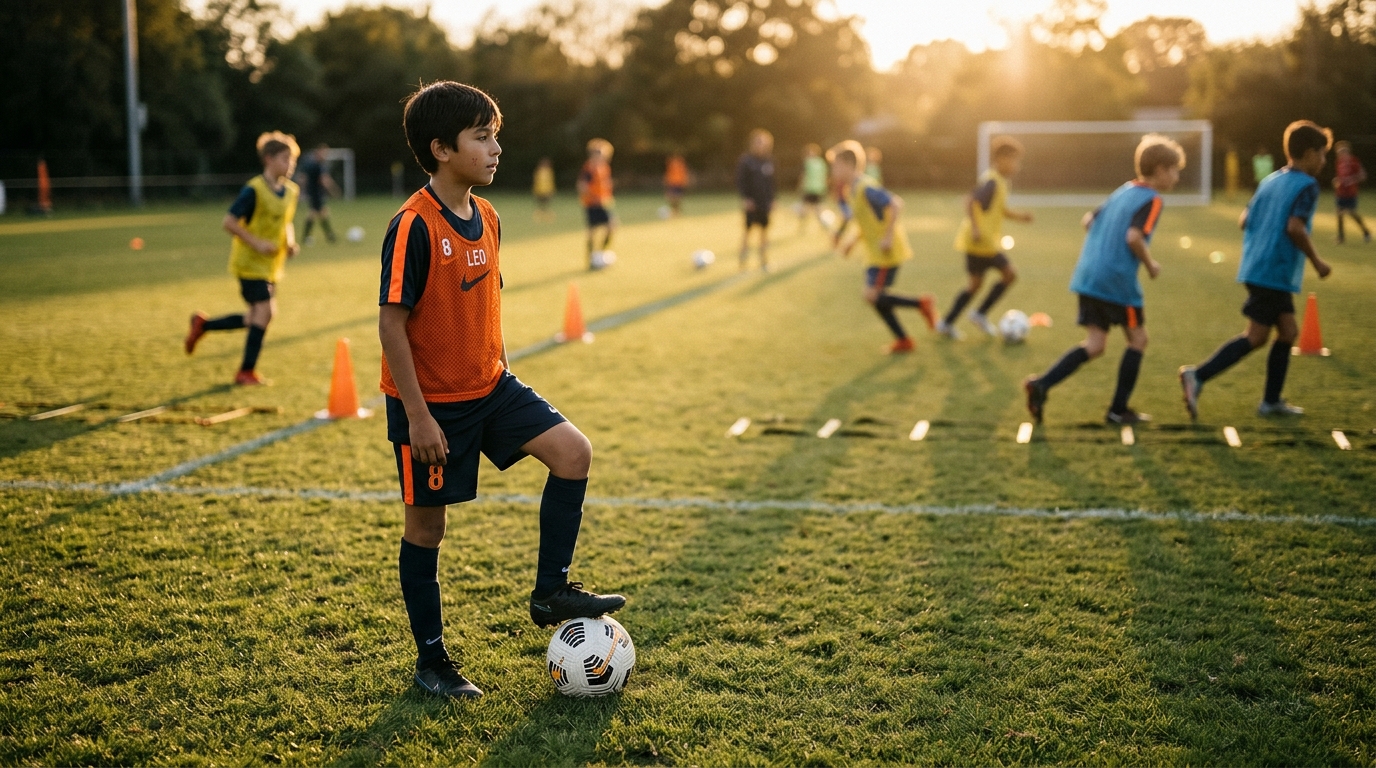
Football has never been a static game. Tactical systems have evolved, player roles have changed and the demands placed on footballers have continued to grow. There is little reason to believe this evolution will stop. The football played ten or fifteen years from now might look very different from what we see today.
This raises an important question for youth development — are we preparing children to understand and adapt to the future of football, or are we simply teaching them to reproduce what they see today? More importantly, are we developing independent thinkers or creating players who simply follow instructions?
The Temptation to Recreate Professional Football
Coaches often look towards professional football for inspiration. We study formations, analyse movements and try to understand the principles behind successful teams. There is plenty young players can learn from watching the game at its highest level. However, problems arise when we attempt to recreate these approaches without considering the developmental needs of children.
Professional players have spent years developing the technical, tactical and physical abilities required to execute complex instructions. Young players are still discovering the game. They need opportunities to experiment, make decisions and understand why certain actions work.
A team might look organised because every player knows exactly where to stand and what to do. But does that mean the players actually understand the game? There is a difference between moving into a position because a coach has instructed you to and recognising where to move because you understand the situation.
“There is a profound difference between moving into a position because a coach instructed you to, and recognising where to move because you truly understand the situation.”
Teach Them to Think, Not Just Execute
Consider a simple situation. A young player receives the ball with an opponent approaching. Should they pass, turn, protect possession or dribble into space? A coach could provide instructions for every possible situation. But football rarely presents exactly the same situation twice. Opponents move, spaces disappear and teammates make unexpected runs.
Players have to recognise what is happening and respond accordingly. This is where independent thinking becomes important. Our responsibility should not be to provide every answer, but to help players develop the ability to find answers themselves. We should encourage them to scan, recognise opportunities, assess risks and make decisions.
They will make mistakes along the way. That is part of learning. If we constantly interrupt the game to tell children exactly what they should have done, we risk taking away the very opportunities they need to develop their understanding.
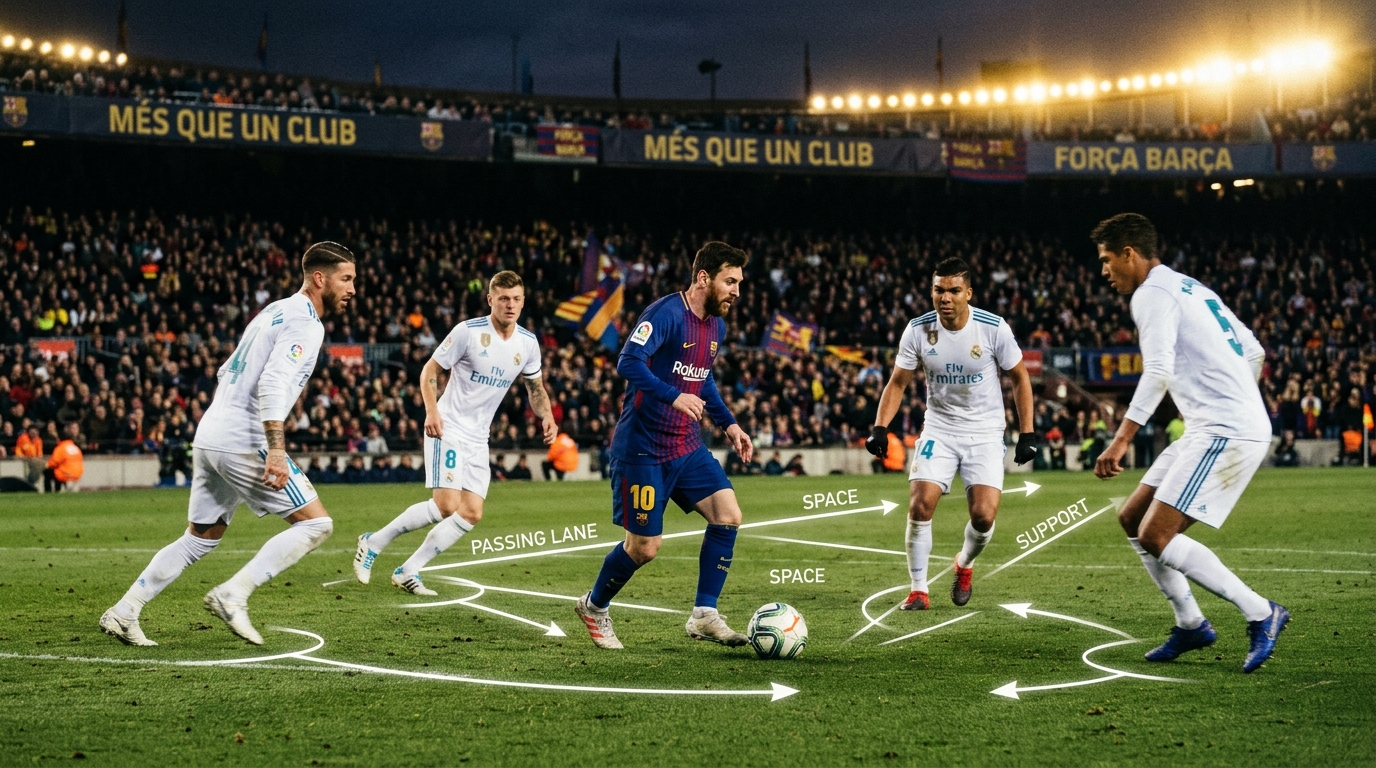
Give Them the Freedom to Explore
We cannot ask children to be creative while making them afraid of making mistakes. A player who attempts to dribble past an opponent and loses possession has still had an opportunity to assess a situation and make a decision. We can help them understand whether another option might have been better, but immediately discouraging the attempt can send the wrong message.
The same applies to playing different positions. Children should have opportunities to experience different roles rather than being restricted to one position too early. A defender playing in midfield might develop a better understanding of space, while an attacker playing deeper could learn more about building attacks. These experiences help children see the game from different perspectives.
The Coach Must Evolve Too
Developing independent thinkers requires coaches to reconsider their own responsibilities. There will always be moments when direct instruction is necessary, but we should also recognise when to step back. Sometimes, asking a player why they chose a particular option can be more valuable than immediately telling them what they should have done.
Training should provide opportunities for players to solve problems. Coaches can adjust the space, rules and numbers in an activity to encourage certain behaviours, while allowing players to decide how to respond. The objective is not to remove structure or tactical education. It is to ensure that players understand the reasons behind their actions rather than simply memorising instructions.
Preparing for What Comes Next
We do not know exactly how football will look in the future. New tactical approaches will emerge, player responsibilities will change and the game will continue to evolve. What we can do is prepare children to deal with that uncertainty. We need players who can observe, question, communicate and adapt. Players who understand the game rather than simply follow instructions. Players who can take responsibility when the coach is not there to tell them what to do.
The future of football will not belong only to those who can execute today's instructions. It will belong to those who can understand tomorrow's challenges and find ways to solve them.
We should not be creating robots who play the game exactly as we tell them. We should be developing thinkers who understand the game well enough to decide how it should be played.
“We should not be creating robots who play the game exactly as we tell them. We should be developing thinkers who understand the game well enough to decide how it should be played.”