More Than Mere Spectators: The Importance of a Fan Culture in Football
Empty stands in Indian football reflect a missing communal soul. Why local supporter traditions, community pride, and grassroots fandom in cities like Nagpur matter as much as tactics.
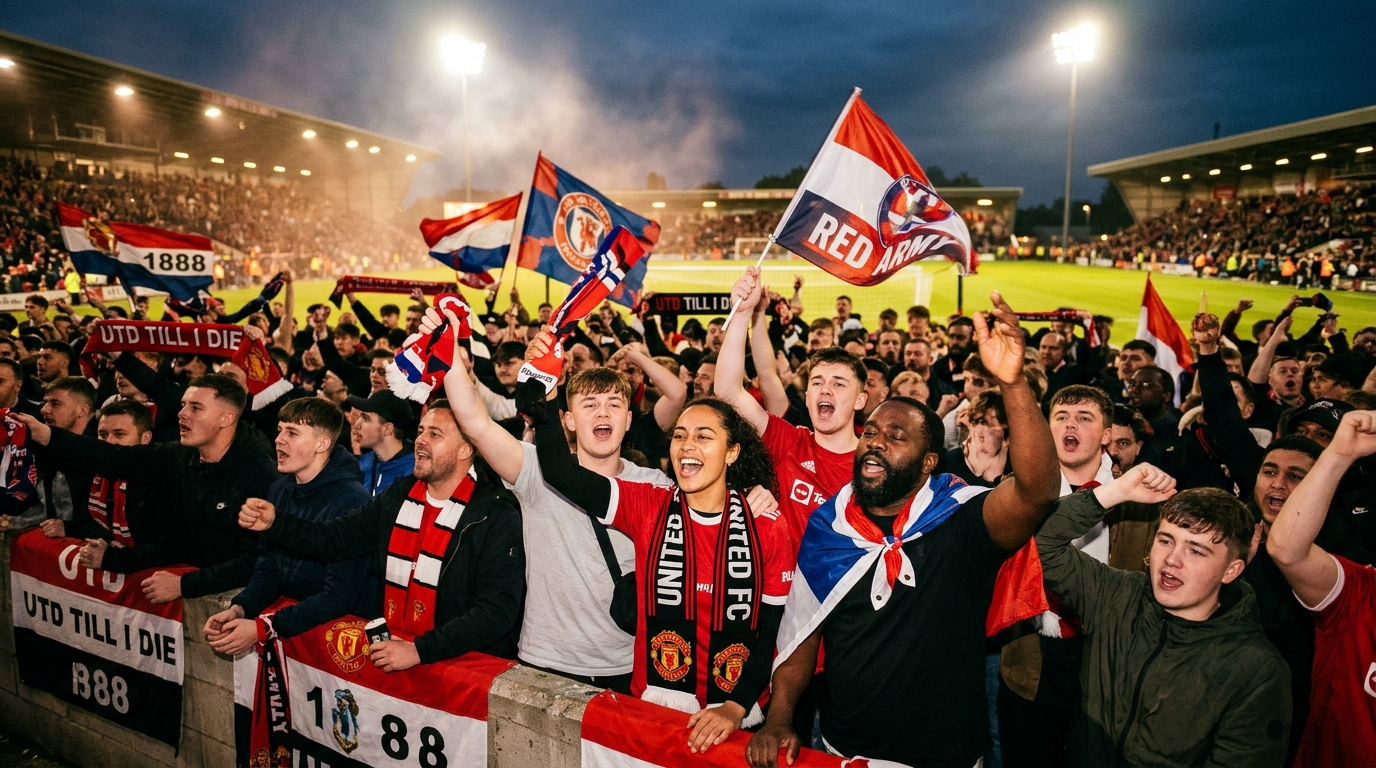
There is something special about watching a football match in a stadium filled with supporters. The chants, the flags, the banners, the collective celebrations and even the frustration after a missed opportunity create an atmosphere that is difficult to replicate anywhere else. For ninety minutes, thousands of people who might otherwise have very little in common come together because they share an attachment.
This is what makes football more than just a sport. It becomes part of identity, culture and social life.
Having followed football for years, I have always been fascinated by the supporter culture that exists in different parts of the world. Whether it is the atmosphere at Borussia Dortmund's Signal Iduna Park, the traditions of Japanese football supporters or the passionate rivalries in Argentina, there is a sense of belonging that extends far beyond the players on the pitch.
And honestly, it disheartens me to see how often football stadiums in India have empty stands. Even at the highest levels of Indian football, we have seen matches played in front of sparse crowds. It is particularly disappointing when you consider how much effort goes into developing clubs, players and competitions, only for the experience to lack one of football's most important ingredients — its people.
Football Gives People Something to Belong To
A football club can become a representation of the place it comes from. Its colours, badge, stadium and history gradually become familiar parts of the local identity. Supporting the club becomes a way for people to express their connection with their city.
Look at cities such as Dortmund, Barcelona, Liverpool or Glasgow. Their football clubs are deeply connected to the communities around them. Matchdays have become traditions, passed down through generations. Families attend games together, friends meet before kick off, and supporters travel to away matches to stand behind their teams. Supporter communities can create belonging, shared identity and social connections between people who might otherwise never have interacted. These relationships can become an important part of people's social lives.
This is the cultural significance of fan culture. It gives people shared experiences and traditions. It creates conversations between generations and brings different sections of society together. Imagine a group of people from completely different professions, age groups and backgrounds meeting every weekend because they support the same local team. Over time, they develop friendships, traditions and memories around that club. The team becomes a common thread connecting them. That is something worth building.
“Football does not belong only to the people who play it. It belongs to the people who watch it, celebrate it, argue about it, travel for it and pass their love for it on to the next generation.”
The Stadium is Also a Classroom
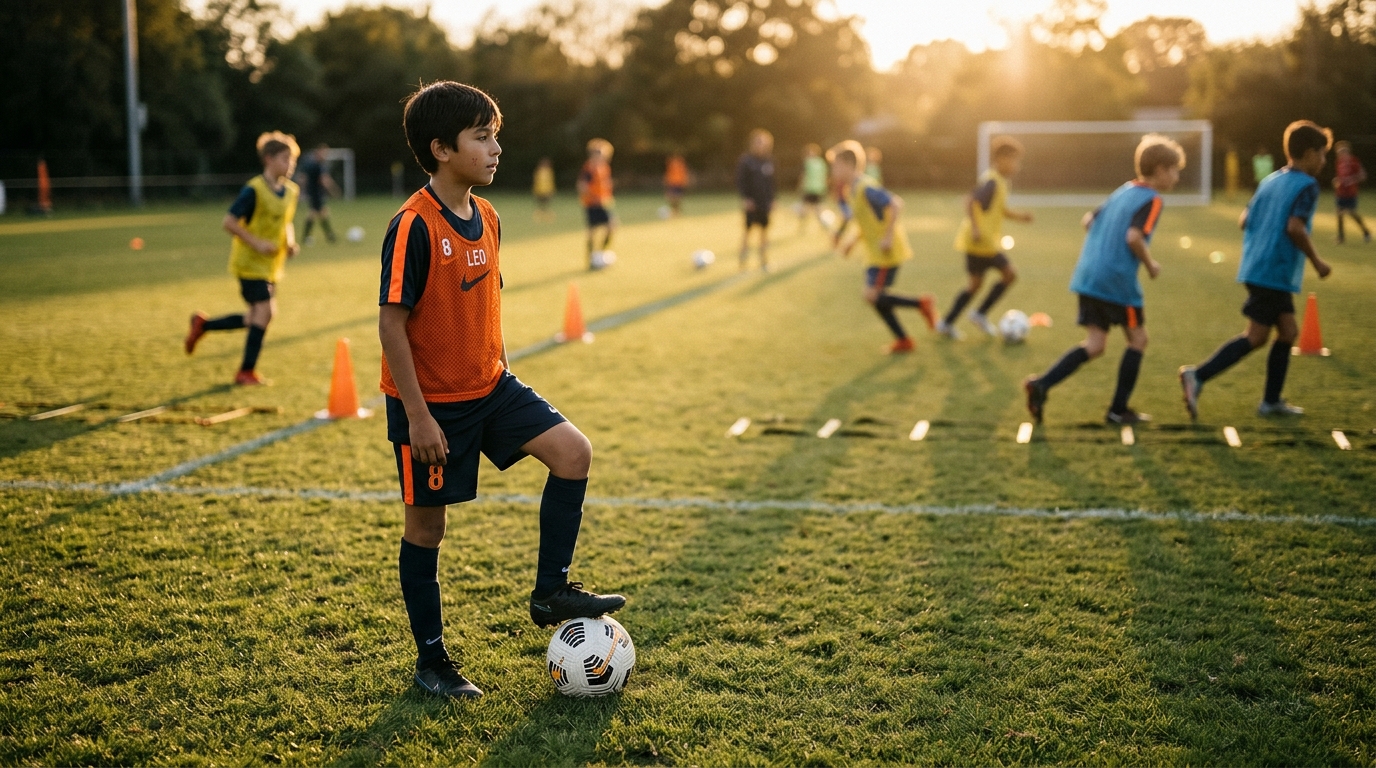
One aspect of fan culture that I find particularly exciting is the influence it can have on young children. Children are naturally drawn towards excitement and belonging. When they see a group of supporters singing, waving flags and cheering their team, they begin to associate football with something bigger than simply kicking a ball around.
Imagine a young player sitting in the stands and watching a supporters' group chant the name of a local player. They see the player being celebrated by people who have come to watch him play. Somewhere in that child's mind, a thought might develop — one day, I want people to cheer my name too.
We often talk about inspiring children through professional players and international football. But local heroes can have an even more immediate influence. A child who watches someone from their own city represent a local club and receive the affection of its supporters has a tangible example of what they might aspire to become.
Supporters can make young players feel that their performances matter to the community. They can create an environment where children feel recognised, valued and motivated to improve. Of course, this should never become pressure on young players to perform for the approval of a crowd. It should be about making them feel that football is something their community celebrates and supports.
Why Empty Stadiums Bother Me
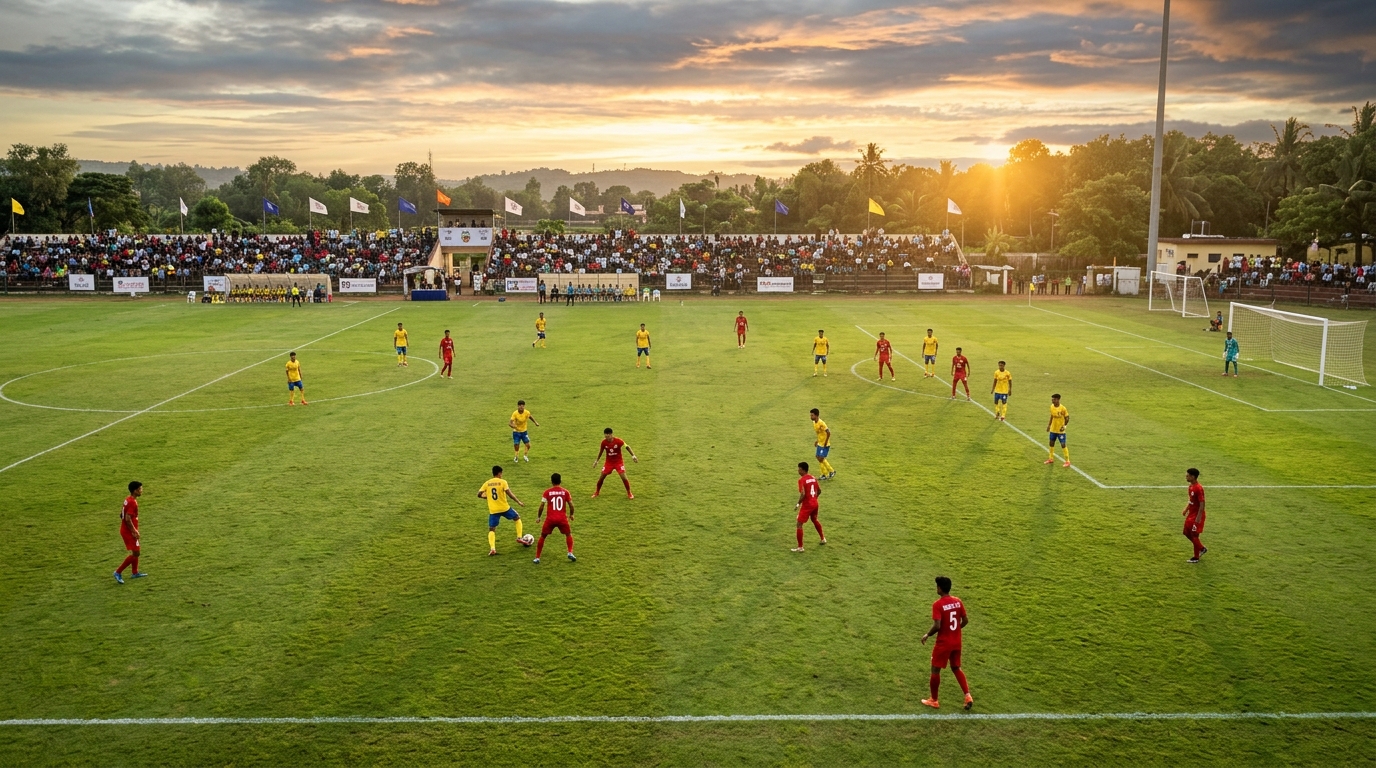
I have often wondered what Indian football could look like if more people regularly attended matches. We have passionate supporters in several parts of the country, with Kerala Blasters’ Manjappada being a prime example, and clubs have built genuine followings. Yet this enthusiasm has not translated into a consistent matchday culture across most cities.
I do not think it is fair to blame supporters alone. People need reasons to attend. They need to know when matches are happening, have affordable access to tickets, feel safe at the venue and enjoy an experience that makes them want to return. Clubs and organisers have to build relationships with their communities rather than expect people to turn up simply because a match has been scheduled.
Indian football has also had a history of strong local tournaments and community rooted competitions. Their decline has affected the regular connection between football and local audiences. A fan culture cannot be created through a marketing campaign or a one time promotional event. It has to develop through consistency, familiarity and emotional attachment.
Where Does Nagpur Begin?
I do not believe Nagpur needs to wait for an ISL club or a large professional stadium to start building a football culture. In fact, the process should begin much closer to the ground:
- Start with local teams and communities: Schools, academies, colleges and neighbourhood clubs already have players and people connected to them. Their matches should become occasions that families, friends and local residents look forward to attending.
- Build organised supporters' groups: Even a group of twenty or thirty committed supporters can change the atmosphere of a match. They can create chants, make banners, wear team colours and encourage others to join. These groups should be inclusive, welcoming and family friendly.
- Make matchdays an experience: Football should not begin and end with the ninety minutes on the pitch. Music, local food, interactions with players, activities for children and community events can make attending a match more attractive.
- Create regularity: If people know that their local team plays every second Saturday, for example, attending matches can gradually become part of their routine. A predictable calendar gives supporters something to look forward to.
- Celebrate local players: Share their stories, recognise their achievements and make them visible within the community. Children should know the names of players representing their own schools, academies and clubs.
- Make football accessible: Affordable tickets, convenient timings, safe venues and facilities that welcome women, children and families should be considered essential rather than optional.
Building Something That Lasts
I want to see a day when a school football match in Nagpur attracts a lively crowd of parents, students and local supporters. When neighbourhood teams have their own chants and colours. When children grow up recognising local players and dreaming of representing their communities.
I want young players to experience what it feels like to have people cheering for them, not just their parents standing beside the pitch, but an entire group of supporters singing their names.
This will not happen overnight. It will require clubs, schools, coaches, parents, local authorities and supporters to work together. There will be setbacks, and some initiatives will take time to find their audience. But we have to start somewhere. We spend a lot of time discussing how to develop better footballers, improve coaching standards and create stronger competitions. These are all important. However, we should also ask what kind of footballing communities we are building around our players.
Because football does not belong only to the people who play it. It belongs to the people who watch it, celebrate it, argue about it, travel for it and pass their love for it on to the next generation.
I do not just want Nagpur to produce better footballers. I want it to become a city where people have a reason to come together every weekend, wear their colours with pride and make their voices heard. A city where the stadium is not just a place to watch football, but a place where a community finds its identity.
“I do not just want Nagpur to produce better footballers. I want it to become a city where people come together every weekend, wear their colours with pride, and make their voices heard — where the stadium is a place where a community finds its identity.”