Do Not Just Stop the Play When Something Goes Wrong
Why highlighting what players get right shapes football intelligence just as much as correcting mistakes
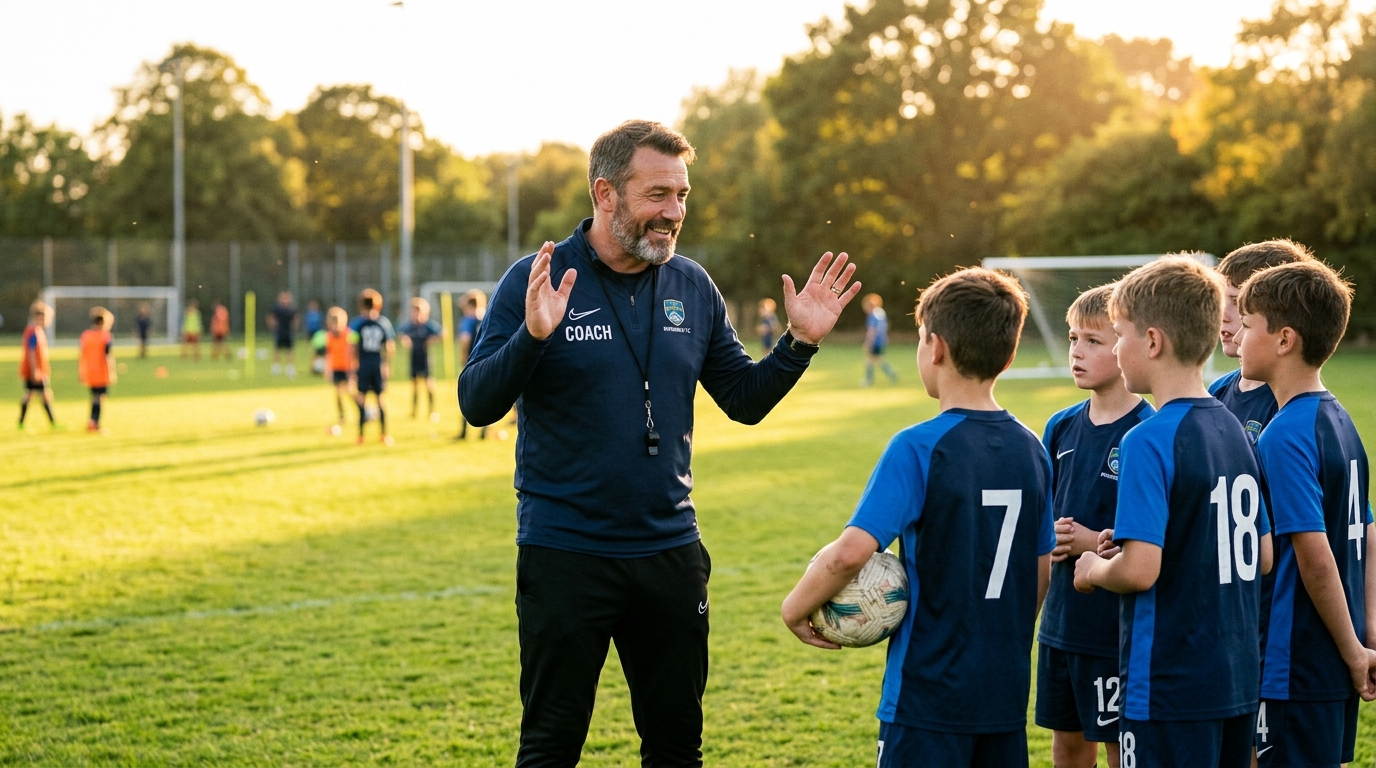
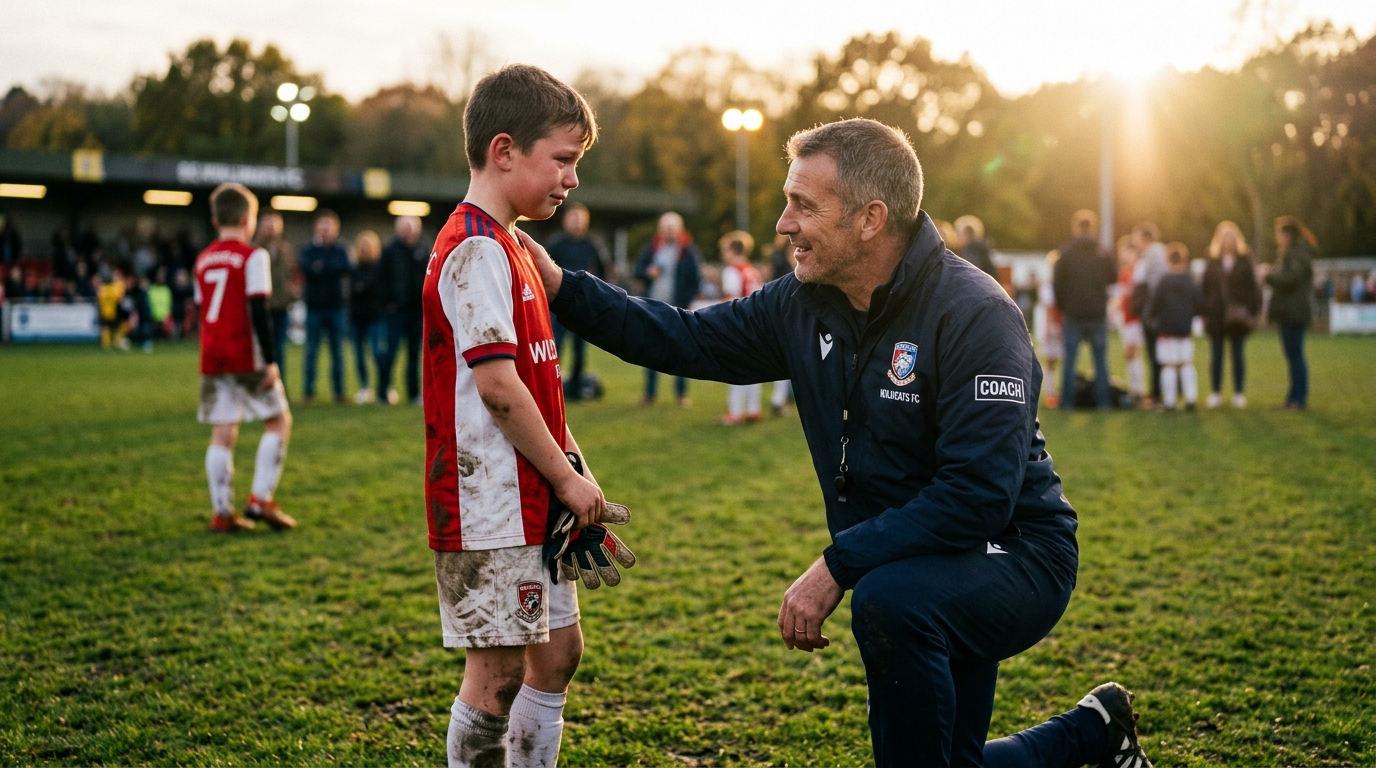
One of the most common things we see in a training session is a coach stopping play. A player makes the wrong decision, maybe leaving too much space or failing to support or track a run, and the coach blows the whistle, gathers the players and explains what should have happened.
There is nothing wrong with this. Intervention is an important part of coaching. Players need feedback, especially when a mistake reveals something that needs to be understood, but I think coaches sometimes forget to stop the game when players get things right.
The Asymmetry of Coaching Interventions
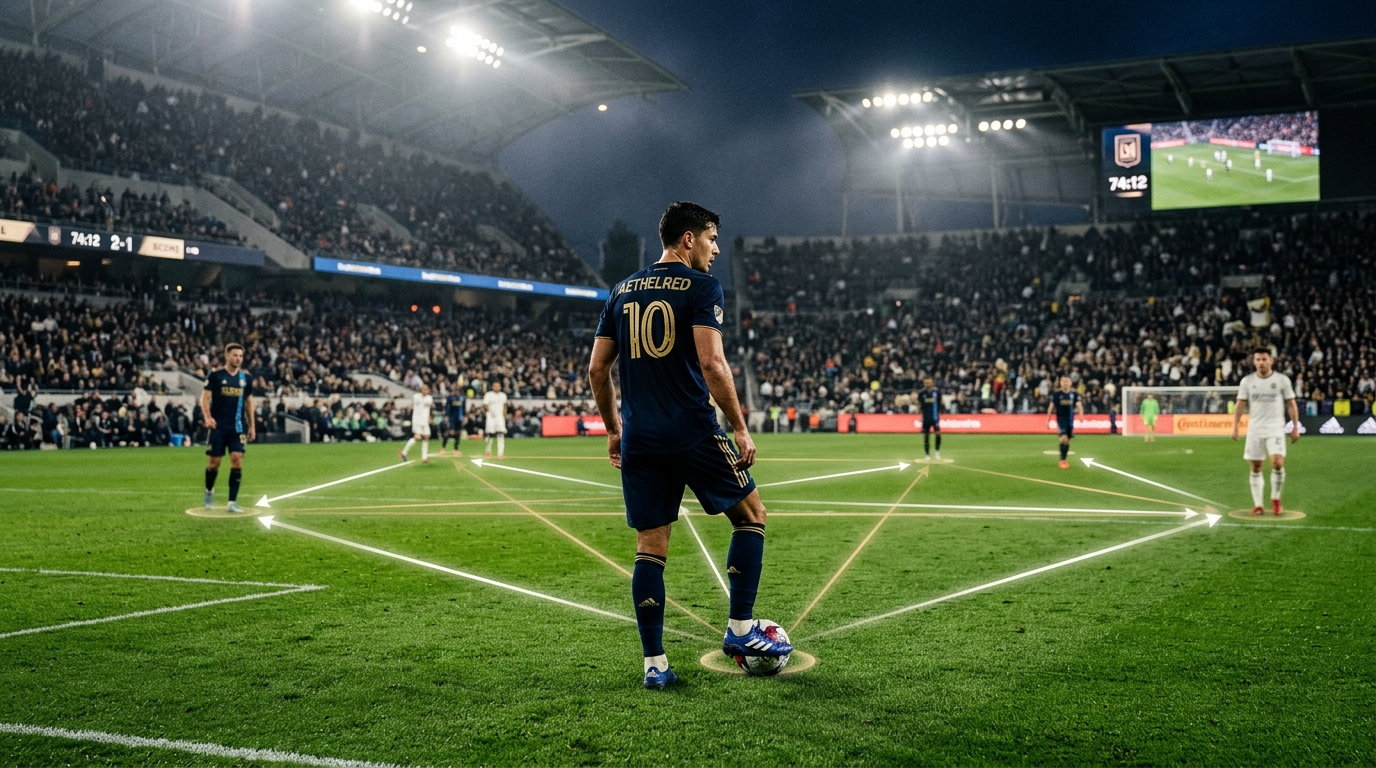
A midfielder checks their shoulder before receiving and plays forward first time or a winger recognises space and makes a perfectly timed run or a defender steps out at exactly the right moment to intercept a pass. The game continues. Maybe the coach says, “Good!” or “Nice!” and play moves on.
But what if that moment deserves just as much attention as the mistake?
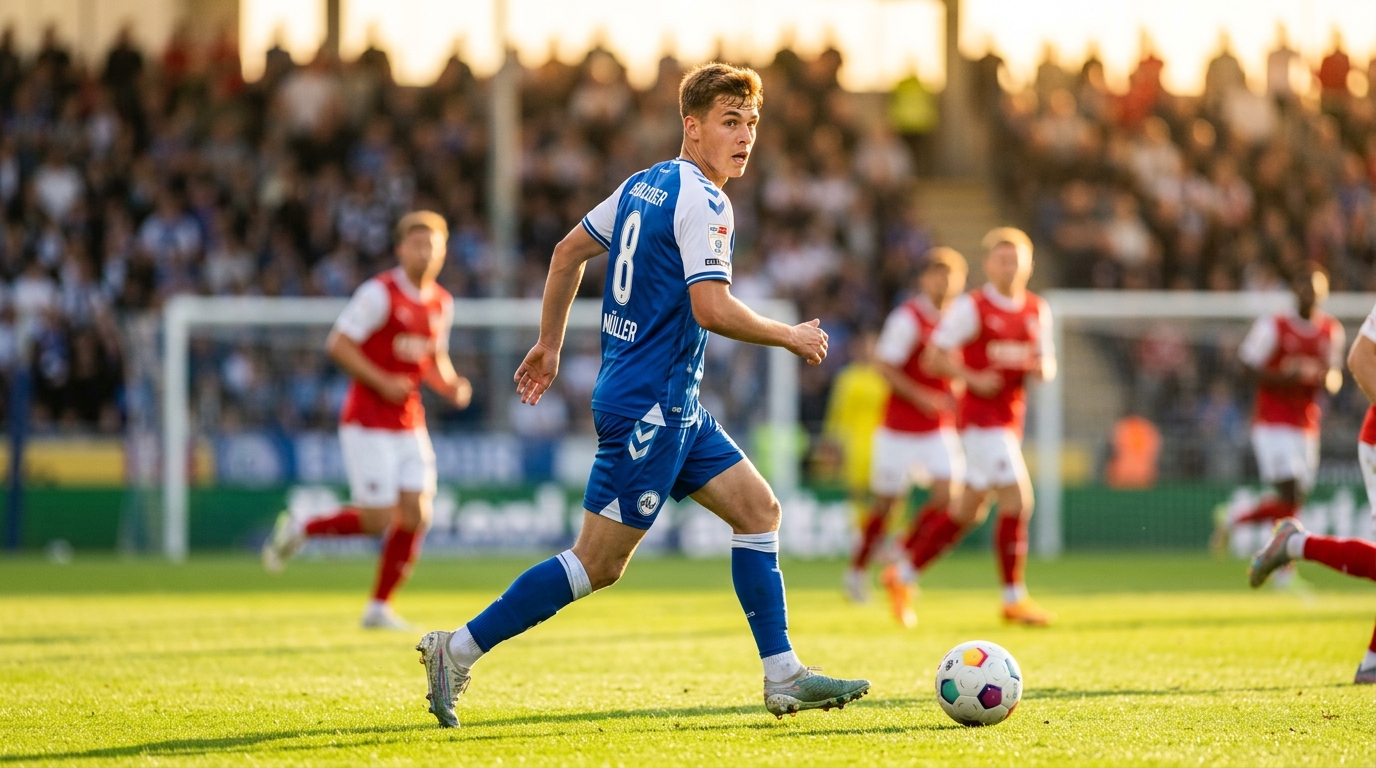
Young players need to understand what good football looks like, not only what bad football looks like. If a coach constantly stops training to correct mistakes, players can begin to associate the coach's whistle with failure. Every stoppage means somebody has done something wrong.
“If a coach constantly stops training to correct mistakes, players begin to associate the whistle with failure. Instead, imagine stopping the game after an excellent sequence.”
Freezing the Picture of Success
Instead, imagine stopping the game after an excellent sequence.
“Stop there. Look at what just happened.”
The coach can show the players how the midfielder scanned before receiving, how the winger created the passing option and how the third player moved into space.
This is particularly important because good actions can easily go unnoticed. A player who makes a clever movement might not receive the ball. A defender who positions himself perfectly might never need to make a tackle. A midfielder might create space for a teammate without ever touching the ball.
Rewiring the Whistle
Correct the behaviours that need correcting, but also stop and highlight the behaviours worth repeating. Over time, those moments begin to shape what players recognise as successful football behaviours and actions. Players start noticing their own good decisions. They become more aware of movements, spaces and possibilities.
“And perhaps most importantly, they begin to understand that the coach's whistle does not always mean they have done something wrong. Sometimes, it means they have done something worth remembering.”
And perhaps most importantly, they begin to understand that the coach's whistle does not always mean they have done something wrong. Sometimes, it means they have done something worth remembering.