Is the Team Better Because of the Individual or Is the Individual Better Because of the Team?
How individual brilliance and collective structure shape each other in modern football development

There is an interesting question that often comes up when we talk about football development. Is an individual player better because the team around them is better, or is the team better because the individual players are better?
At first, it seems obvious that better players should make better teams. But football has never been that simple.
The Messi & Barcelona Symbiosis
Take Lionel Messi and Barcelona. Messi undoubtedly benefited from the environment around him. Xavi, Iniesta, Busquets and others gave him passing options, movement and space that allowed his qualities to flourish. But the relationship worked both ways.
Messi did not simply fit into Barcelona's system. His individual ability changed what Barcelona could do. His ability to eliminate defenders, create chances from nothing and attract multiple opponents created space for his teammates. A defender stepping towards Messi could leave another player free. A run from Messi could open an entire side of the pitch.
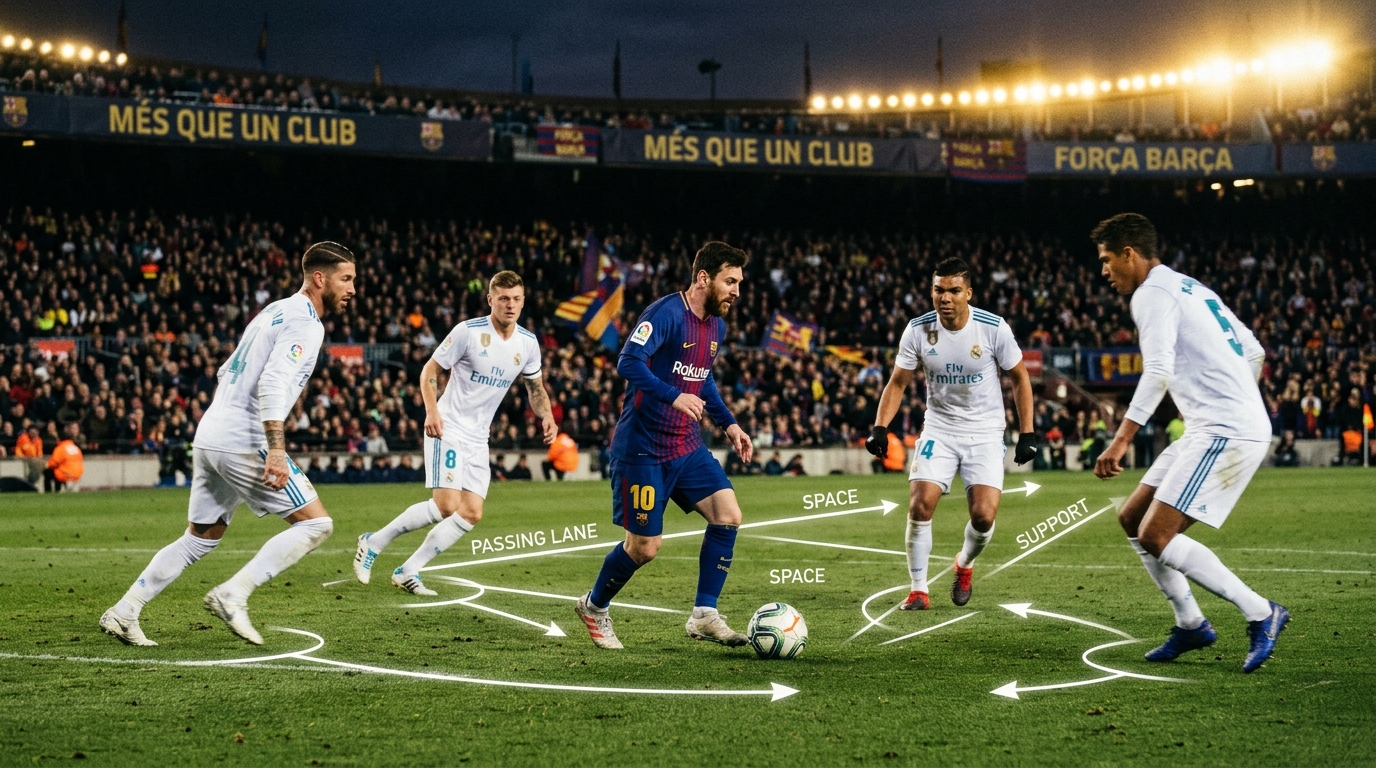
Barcelona made Messi better, but Messi also made Barcelona better. This is perhaps the clearest example of how individual and collective development constantly influence each other.
“Barcelona made Messi better, but Messi also made Barcelona better. Individual and collective development constantly influence each other.”
The Problem of Decision-Making in Youth Football
This becomes even more interesting in youth football.
Imagine a defender receiving the ball against a high press. The midfielders are standing still, the winger is too wide and the striker is marked. The defender eventually plays a long ball. We might say that the defender has made a poor decision. But has the team actually given him a good decision to make?
Now change the situation. The midfielder drops towards the ball, the winger moves inside, the fullback provides width and the striker makes a run. Suddenly, the defender has several options. The player has not suddenly become better. The environment has given them better possibilities.
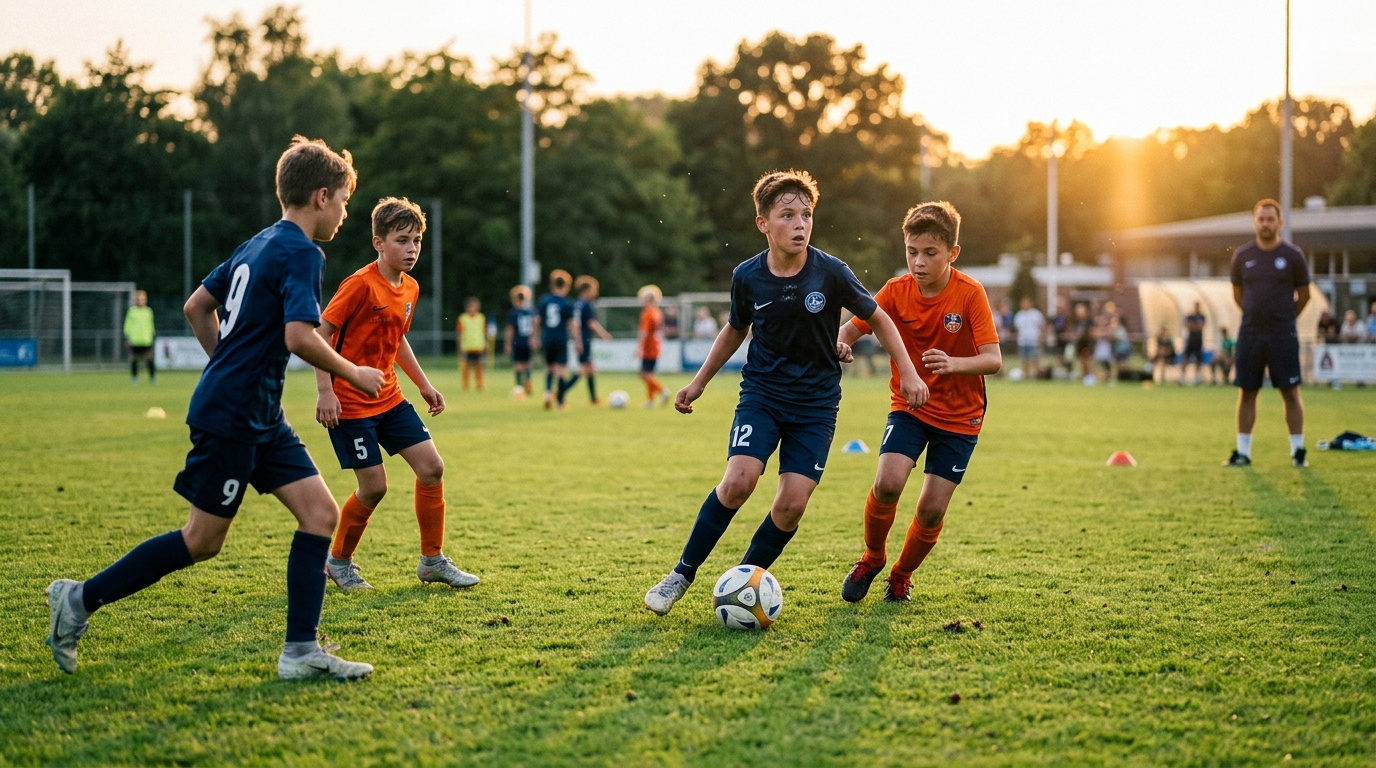
But imagine the opposite situation. One player constantly scans before receiving, plays quickly and moves again. Their behaviour gives teammates more options and encourages them to move differently. One individual's behaviour has now improved the collective.
Beyond Isolated Technique: The Environmental Crucible
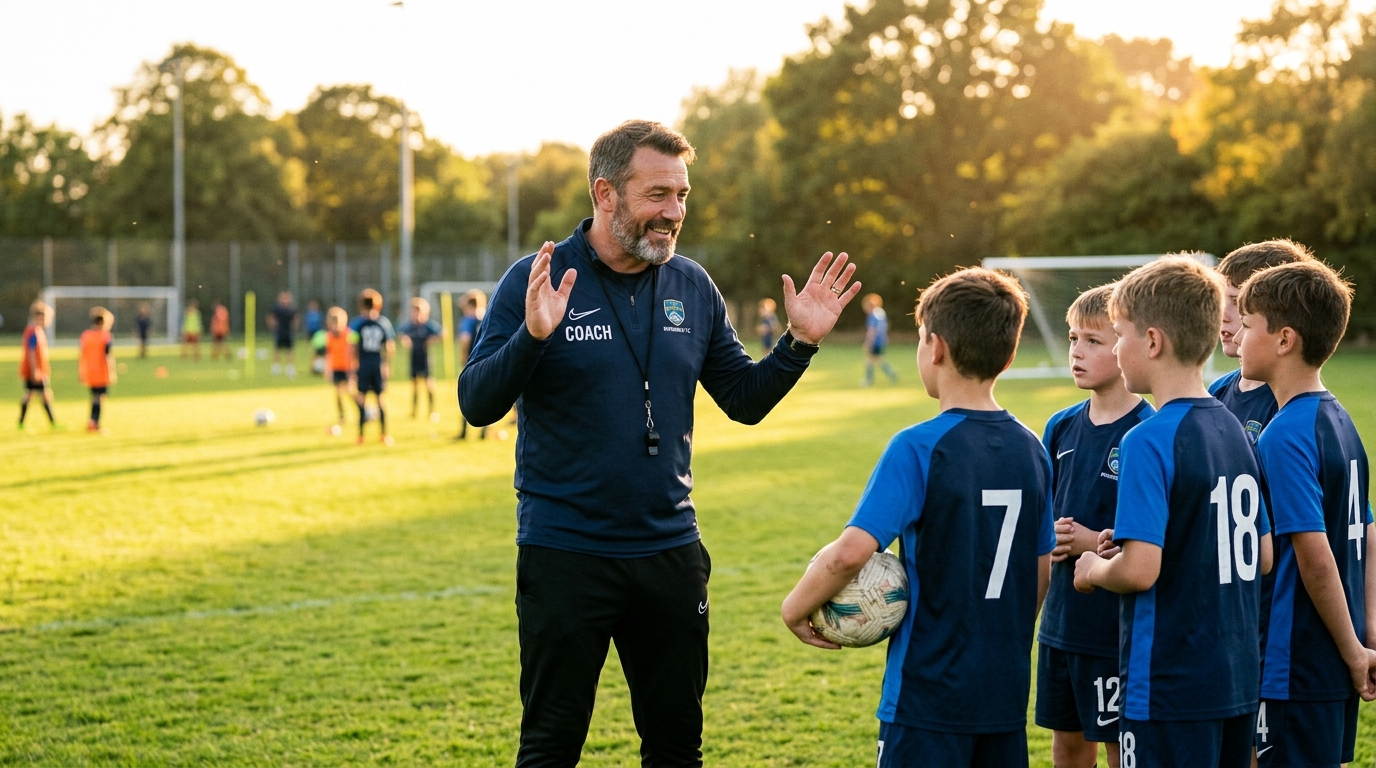
This is particularly important when developing young players. We often focus on whether a player can pass, dribble, shoot or control the ball. These things matter, but football is not a collection of isolated techniques.
A technically gifted player in a poor team might constantly try to dribble because nobody is providing support. Over time, they may start believing that they have to solve every problem themselves. Put that same player in a team where teammates are constantly moving and supporting each other, and their decisions may change.
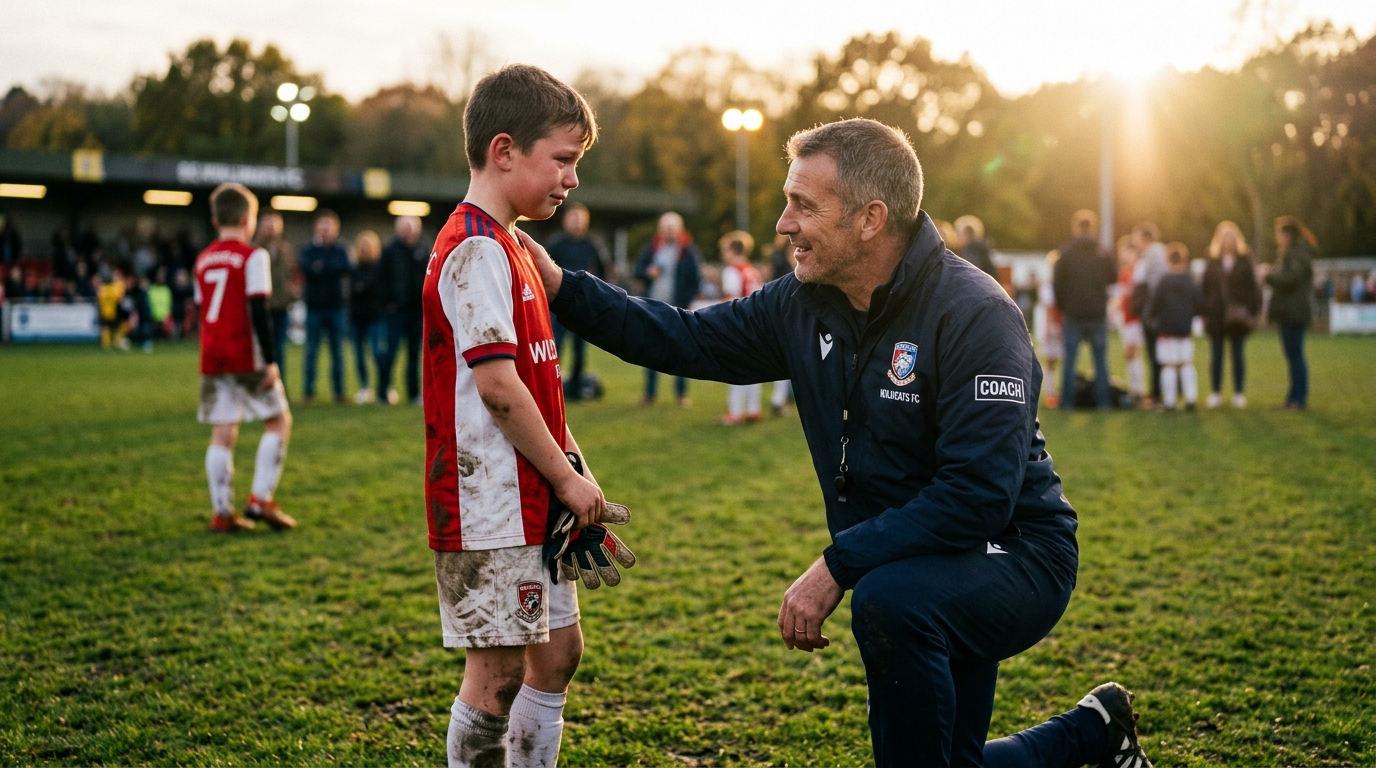
The environment shapes the individual, but the individual also shapes the environment. This is why judging young players purely through their team's performance can be misleading. A good player in a weak team may look average because they have very few good options around them. Another player may look exceptional because their team constantly creates favourable situations for them.
“A good player in a weak team may look average because they have very few good options around them. Another player may look exceptional because their team constantly creates favourable situations for them.”
A Game of Relationships
So perhaps the question should not be whether the individual comes first or the team comes first. The individual and the team develop each other. A good team creates better conditions for individuals to express themselves. Better individuals create better possibilities for the team.
Football is a game of relationships. A pass exists because someone can receive it. A run matters because someone can find it. Space becomes useful because someone can exploit it.
Maybe the best players are not simply those who benefit from good teams, but those who make the teams around them better while becoming better themselves. That is probably the kind of development we should be looking for.