Players May Forget the Drill, But They Will Always Remember How You Made Them Feel
The lasting psychological responsibility of coaching: building emotional safety, embracing risk, and honoring the human
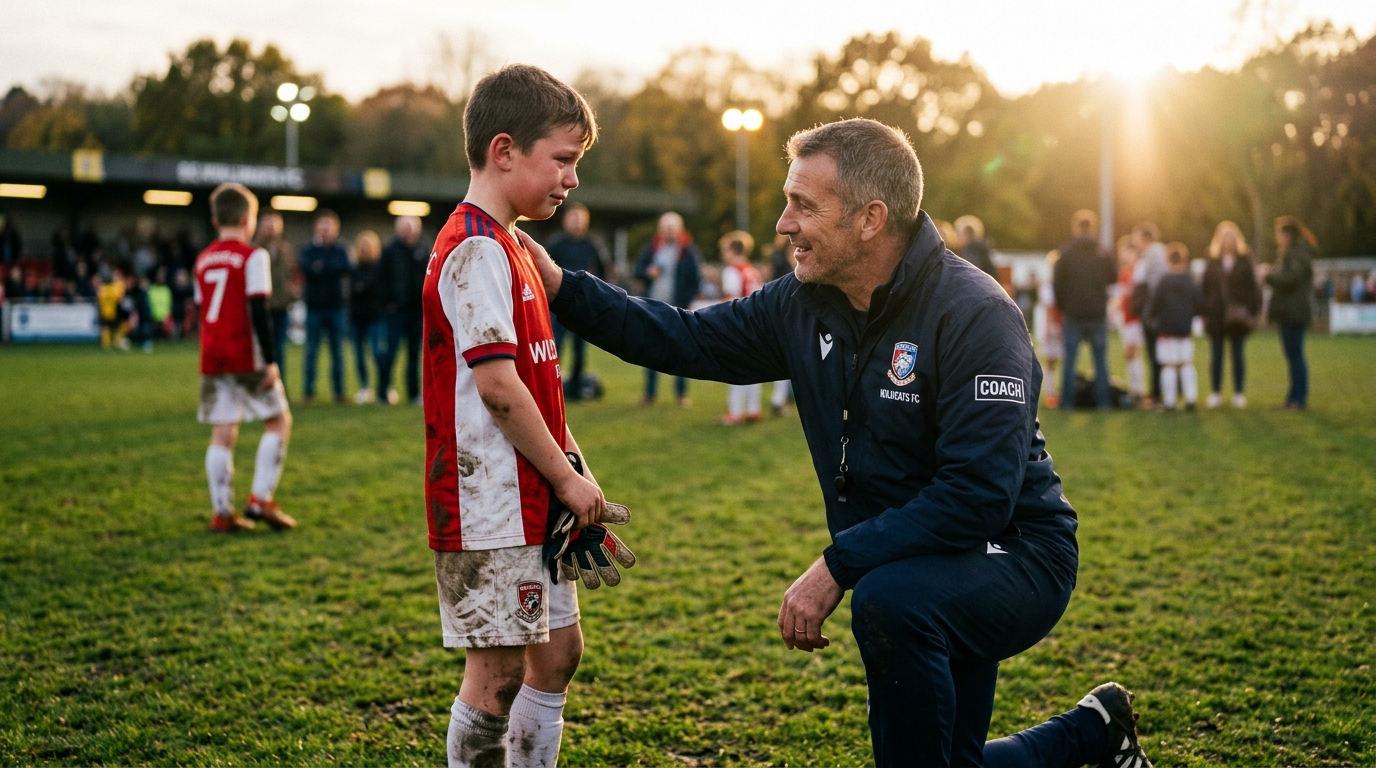
A few years from now, a young player probably won't remember the exact drill you did on a random Tuesday evening. The passing pattern, finishing exercise or small sided game may disappear from memory. The feeling of being part of a team or group and the feeling of being valued probably won't.
Coaches sometimes get so focused on development that we forget there is a human being experiencing all of it.
The Response to the Mistake
A young player will make mistakes. Sometimes they will lose the ball, miss an easy chance or make the wrong decision. What happens immediately afterwards can matter more than the mistake itself.
Does the coach shout? Does the player become afraid to try again? Or does the coach simply say, “Go again”? And encourages them to keep trying and experimenting?
“There is a huge difference between demanding more from a player and making them feel like they are not good enough.”
There is a huge difference between demanding more from a player and making them feel like they are not good enough. Good coaching does not mean removing pressure or lowering standards. Players need discipline, accountability and honest feedback. But the environment should still make experimentation possible.
A player who is terrified of making mistakes will eventually stop taking risks. The player who feels safe enough to fail is much more likely to attempt the difficult pass, take on the defender or try something new.

The Moments Outside the Session Plan
Some of the most important coaching moments might never appear in a session plan:
- Remembering a player's name when they have just joined the group.
- Noticing when a normally energetic child seems unusually quiet.
- Giving a player another opportunity after a poor performance.
- Celebrating the player who finally attempted something they had been afraid to try.
None of these things require a complicated drill.
What We Leave Behind as Coaches
Football is often a place where young people learn how to deal with failure, confidence, pressure and disappointment. A coach becomes part of that experience, whether they realise it or not.
Years later, the player may have forgotten the exercise where they learned a particular technique. The memory of a coach believing in them can stay much longer and it could be a memory they carry for the rest of their life. Perhaps that is one of the biggest responsibilities of coaching.
“So when we think about what we leave behind as coaches, it should not only be the players we developed or the matches we won. It should also be the way those players remember football.”
So when we think about what we leave behind as coaches, it should not only be the players we developed or the matches we won. It should also be the way those players remember football. Because they might forget the drill, they probably won't forget how you made them feel.